Remarkable comfort during motherhood with spinmama and pelvic floor recovery solutions
Motherhood is a transformative journey, filled with immense joy and profound physical changes. The demands placed on a woman’s body during and after pregnancy are significant, often leading to discomfort and functional limitations. Many new mothers experience challenges with pelvic floor health, core stability, and overall well-being. Addressing these concerns is crucial for a smooth and confident transition into motherhood, and innovative solutions are emerging to support women through this period. One such solution gaining recognition is spinmama, a system designed to provide targeted support and facilitate recovery. It offers a comprehensive approach focused on restoring core and pelvic floor function, empowering women to reclaim their strength and vitality.
The postpartum period requires a nuanced understanding of the body’s needs. Simply ‘bouncing back’ isn’t a realistic or healthy goal; instead, a gradual and mindful restoration process is essential. This involves addressing muscle imbalances, improving posture, and regaining control over vital bodily functions. Traditional approaches to postpartum recovery often fall short, failing to adequately address the specific challenges faced by each individual. This is where the emphasis on personalized care and innovative tools like specialized support garments and guided exercise programs become invaluable. Focusing on a holistic approach helps mothers navigate the physical and emotional aspects of this new chapter with greater ease and confidence.
Understanding Pelvic Floor Dysfunction and Postpartum Recovery
Pelvic floor dysfunction (PFD) is a common issue affecting many women, particularly after childbirth. It encompasses a range of conditions, including urinary incontinence, fecal incontinence, pelvic organ prolapse, and pelvic pain. During pregnancy and delivery, the pelvic floor muscles are subjected to significant stress and strain, which can lead to weakness or injury. This can manifest as difficulty controlling bladder or bowel movements, a feeling of pressure or fullness in the pelvic region, or discomfort during sexual activity. Ignoring PFD can have a substantial impact on quality of life, affecting physical activity, social interactions, and emotional well-being. Early identification and intervention are key to preventing long-term complications.
Postpartum recovery isn't just about healing from delivery; it’s about rebuilding a foundation of strength and stability. The first six weeks postpartum, often referred to as the fourth trimester, are a critical period for initiating gentle exercises and focusing on restoring core and pelvic floor function. However, it's crucial to avoid activities that place excessive strain on these areas, such as high-impact exercises or heavy lifting, until cleared by a healthcare professional. A gradual progression of exercises, tailored to individual needs, is the most effective approach. This often includes breathing exercises, gentle core activation, and pelvic floor contractions, like Kegels, performed correctly and consistently. Proper form is paramount to avoid exacerbating the problem.
| Phase of Recovery |
Focus |
Recommended Activities |
| Early Postpartum (0-6 weeks) |
Healing & Gentle Activation |
Breathing exercises, pelvic floor contractions (Kegels), gentle pelvic tilts |
| Intermediate (6-12 weeks) |
Core & Pelvic Floor Strengthening |
Progressive core exercises (e.g., transverse abdominis activation), bridging, modified squats |
| Advanced (12+ weeks) |
Functional Movement & Return to Activity |
Full squats, lunges, planks, gradually increasing activity levels |
It’s vital to remember that every woman’s recovery journey is unique. Factors like the type of delivery (vaginal or Cesarean), the duration of labor, pre-existing health conditions, and individual anatomy all play a role. Seeking guidance from a qualified healthcare provider, such as a pelvic floor physical therapist, can ensure a safe and effective recovery plan tailored to your specific needs. Listening to your body and prioritizing rest and self-care are equally important.
The Role of Support Garments in Postpartum Recovery
Postpartum support garments, like those offered through spinmama, are designed to provide gentle compression and support to the abdominal and pelvic regions. These garments can help reduce swelling, improve posture, and alleviate pain and discomfort. The compression helps to stabilize the core muscles, providing a foundation for effective healing and rehabilitation. They can also assist with lymphatic drainage, reducing fluid retention and promoting circulation. Choosing the right support garment is crucial; it should be comfortable, breathable, and provide the appropriate level of compression without being overly restrictive. Proper fit is also essential to ensure optimal support and effectiveness.
Many women find that wearing a support garment immediately after delivery provides a sense of security and stability. It can make it easier to move around, care for a newborn, and participate in daily activities. However, it’s important not to rely solely on the garment for support. It should be used in conjunction with a comprehensive exercise program and under the guidance of a healthcare professional. Over-reliance on support garments can potentially hinder the natural recovery process by preventing the muscles from actively engaging. Therefore, a balanced approach is key.
- Compression aids in reducing swelling and inflammation.
- Provides support to weakened abdominal muscles.
- Improves posture and body mechanics.
- Can alleviate pain and discomfort.
- Facilitates lymphatic drainage and circulation.
The materials used in support garments also play a significant role in their effectiveness. Breathable, moisture-wicking fabrics are essential for maintaining comfort and preventing skin irritation. Seamless designs can minimize chafing and pressure points. Different garments offer varying levels of compression and support, so it’s important to choose one that meets your individual needs and preferences. Consulting with a healthcare professional can help you determine the most appropriate garment for your specific situation.
Effective Exercises for Pelvic Floor and Core Restoration
Rehabilitating the pelvic floor and core muscles requires a targeted and progressive exercise program. These exercises should focus on strengthening the muscles that support the spine, pelvis, and internal organs. Starting with gentle activation exercises and gradually increasing the intensity and complexity is crucial. Breathing exercises are a fundamental component of pelvic floor and core restoration. Diaphragmatic breathing, also known as belly breathing, helps to engage the transverse abdominis, the deepest layer of abdominal muscles. This provides a stable foundation for pelvic floor function. Pelvic floor contractions, or Kegels, should be performed correctly to ensure effective muscle engagement. Focus on isolating the pelvic floor muscles and avoiding squeezing the glutes or abdominal muscles.
As strength and control improve, more challenging exercises can be incorporated. Bridging is an excellent exercise for strengthening the glutes, hamstrings, and pelvic floor. Modified squats and lunges can also be beneficial, but it’s important to maintain proper form and avoid pushing yourself too hard. Plank variations can help to engage the core muscles and improve stability. Remember to listen to your body and stop if you experience any pain or discomfort. Consistency is key; aim to perform these exercises regularly, even if it’s just for a few minutes each day.
- Diaphragmatic Breathing: Focus on deep, belly breaths.
- Pelvic Floor Contractions (Kegels): Squeeze and lift the pelvic floor muscles.
- Bridging: Lift your hips off the ground while keeping your core engaged.
- Modified Squats: Perform squats with a shallow range of motion.
- Plank Variations: Start with a modified plank on your knees.
It's beneficial to work with a pelvic floor physical therapist who can assess your individual needs and develop a personalized exercise program. They can also provide guidance on proper form and technique, ensuring that you are performing the exercises safely and effectively. They can identify any muscle imbalances or movement patterns that may be contributing to your symptoms and address them accordingly. A customized program will maximize your recovery potential and help you regain optimal function.
Addressing Diastasis Recti and its Impact on Recovery
Diastasis recti (DR) is a common condition following pregnancy, characterized by a separation of the abdominal muscles. This separation can occur due to the stretching of the abdominal wall during pregnancy. While a small degree of separation is normal, significant DR can contribute to back pain, pelvic instability, and a weakened core. Addressing DR is an important aspect of postpartum recovery. It’s crucial to avoid exercises that exacerbate the separation, such as traditional crunches or sit-ups. Instead, focus on exercises that help to reconnect and strengthen the abdominal muscles.
Specific exercises, such as transverse abdominis activation and gentle core engagement, can help to close the gap between the abdominal muscles. These exercises should be performed with proper form and under the guidance of a healthcare professional. Avoiding activities that increase intra-abdominal pressure, such as heavy lifting or straining during bowel movements, is also important. In some cases, a pelvic floor physical therapist may recommend a binder or support garment to provide external support and help to stabilize the abdominal muscles. Early intervention and a targeted exercise program can help to improve DR and restore core function. The spinmama system acknowledges the importance of addressing DR as part of a holistic recovery plan.
Long-Term Pelvic Health and Preventive Strategies
Maintaining pelvic health isn’t just about postpartum recovery; it’s a lifelong commitment. Adopting healthy habits and incorporating preventive strategies can help to protect your pelvic floor and core function throughout your life. Maintaining a healthy weight, avoiding constipation, and practicing good posture are all important factors. Regular exercise, including pelvic floor exercises and core strengthening, can help to maintain muscle strength and stability. Being mindful of lifting techniques and avoiding heavy lifting when possible can also reduce strain on the pelvic floor.
Furthermore, addressing any underlying health conditions that may contribute to pelvic floor dysfunction, such as chronic coughing or obesity, is crucial. Regular check-ups with a healthcare provider can help to identify and address any potential problems early on. Investing in your pelvic health is an investment in your overall well-being, empowering you to live an active and fulfilling life. Continued awareness and proactive care will ensure lasting strength and resilience, allowing you to confidently navigate the joys and challenges of motherhood and beyond.



 Huawei P8 Lite 2017 Preto - Ecrã Display/LCD+Touch C/Aro
1 × €25.00
Huawei P8 Lite 2017 Preto - Ecrã Display/LCD+Touch C/Aro
1 × €25.00 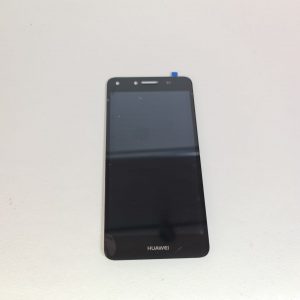 Huawei Y5II - Ecrã Display/LCD+Touch Preto
1 × €24.99
Huawei Y5II - Ecrã Display/LCD+Touch Preto
1 × €24.99  Samsung J3 2017 / J330 Preto - Ecrã Display/LCD+Touch (Service Pack)
1 × €49.00
Samsung J3 2017 / J330 Preto - Ecrã Display/LCD+Touch (Service Pack)
1 × €49.00  Huawei Mate 20 Preto - Ecrã Display/LCD+Touch c/Aro + Bateria (Service Pack)
1 × €129.00
Huawei Mate 20 Preto - Ecrã Display/LCD+Touch c/Aro + Bateria (Service Pack)
1 × €129.00  Huawei Mate 8 - Ecrã Display/LCD+Touch Branco C/Aro
1 × €29.00
Huawei Mate 8 - Ecrã Display/LCD+Touch Branco C/Aro
1 × €29.00  Iphone 6s Preto - Ecrã Display/LCD+Touch
2 × €18.00
Iphone 6s Preto - Ecrã Display/LCD+Touch
2 × €18.00  Ecrã Display/LCD+Touch, Samsung A30s / A307, GH82-21190A, (Service Pack)
1 × €65.00
Ecrã Display/LCD+Touch, Samsung A30s / A307, GH82-21190A, (Service Pack)
1 × €65.00  Samsung A6 Plus 2018 / A605 Preto - Ecrã Display/LCD+Touch (AMOLED)
1 × €49.00
Samsung A6 Plus 2018 / A605 Preto - Ecrã Display/LCD+Touch (AMOLED)
1 × €49.00 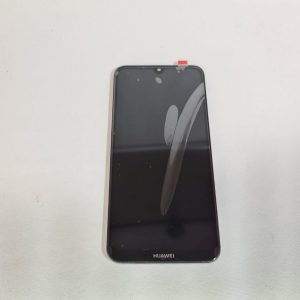 Huawei Y7 2019 - Ecrã Display/LCD+Touch Preto
1 × €34.08
Huawei Y7 2019 - Ecrã Display/LCD+Touch Preto
1 × €34.08  Iphone 6s Branco - Ecrã Display/LCD+Touch
1 × €18.00
Iphone 6s Branco - Ecrã Display/LCD+Touch
1 × €18.00 